




3 Ways Fleet Tech Builds Public Trust
Managing a state or local fleet comes with levels of accountability private companies don’t have. Read how modern fleet technology helps elevate visibility and safety to strengthen community trust.
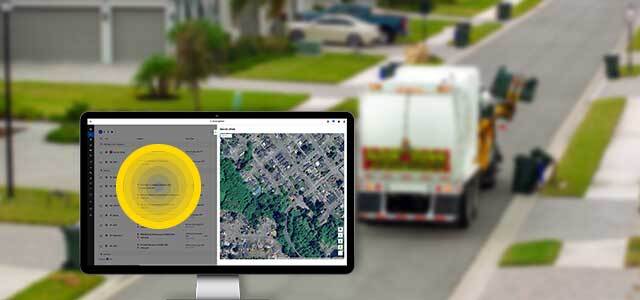
- Modern fleet technology enhances accountability by providing higher levels of visibility into state and local fleet operations.
- Advanced safety features in fleet technology contribute to increased public safety and confidence.
- Implementing tech solutions in fleet management fosters greater community trust through transparency and improved service reliability.
*Summarized by AI
Managing a state or local fleet comes with levels of public accountability private companies don’t. Missed pickups, vehicle incidents, or budget overruns can quickly draw public scrutiny. Read about three practical ways modern fleet technology strengthens safety, transparency, operational control, and trust with your community.
1. Close Visibility and Transparency Gaps Across the Fleet
State and local fleets are typically mixed in terms of non-powered equipment and on- and off-highway vehicle types. Specialized functions across multiple departments make unified visibility essential for reliable response, compliance, service levels, and operational efficiency.
A single platform that supports every vehicle and asset eliminates fleet data silos and reporting gaps. That means fleet-wide, real-time visibility as your operation carries out its duties, regardless of department or location. Plus, you have the data needed to demonstrate service reliability for your community.
Centralize fleet data.
Operating from a single source of truth opens more pathways to greater efficiencies, with centralized access to telematics, location, diagnostic, compliance, and video safety footage.Unify asset management.
Tracking vehicles and non-powered assets together increases your range of fleet visibility, which also enables you to maximize utilization and enhance recovery rates.Accelerate response times.
Custom alerts and real-time insight into vehicle status, location, and activity provide faster insight for addressing critical issues and responding to emergencies.
Across departments, state and local fleets operate from an informed position. Fleets that rely on routing can further elevate efficiency with advanced routing tools.
Coordination is smoother. Decision-making is more focused. Trust is strengthened through greater transparency.
2. Strengthen Driver Safety and Support Exoneration with Data
Community complaints are part of public service. Investigating concerns takes resources, but falsely accused drivers also deserve protection.
AI-powered driver safety technology, paired with trip history data, enables a data-driven approach to evaluate incidents, exonerate drivers, and address safety issues faster. Answering concerns with objective, verified proof of safety also enhances trust with members of the community.
Capture detailed activity with telematics.
Fleet tracking hardware streams detailed vehicle activity, including date, time, location, speed, and PTO use to a centralized platform. Answer common inquiries regarding unsafe driving or missed pickups, using telematics data that details when, where, and how the vehicle was operated.Streamline video review.
AI-powered dashcams detect, capture, and upload footage of incidents. Automated analysis and performance improvement plans help safety managers quickly identify high-risk events without manually reviewing hours of footage.Reconstruct incidents quickly and comprehensively.
Integrating location data, telematics, and video footage reduces time required to understand what happened and how the driver responded.Potentially lower insurance premiums.
Dashcams reduce time needed to resolve claims, reduce exposure to false liability, and may qualify your operation for lower premiums.Support drivers.
Accurate data creates transparency and builds trust because drivers know they’re evaluated fairly.
Fleet leaders in the City of Hillsboro, Oregon, shared that increased visibility into vehicle data helps resolve complaints with confidence and consistency. This fleet’s teams review real driving behavior and close the loop faster with drivers and the public.
3. Simplify Compliance with Clean, Digital Recordkeeping
The public expects fleets to operate safely and comply with regulations. Consistent inspections and clean, accurate records are essential for agencies held to strict regulations and high public expectations. You want to know, without a doubt, that every inspection is done per policy.
Electronic, verifiable inspection workflows help ensure that every check is performed thoroughly, and the results are stored securely for instant access.
Verify inspections.
Digital workflows guard against pencil-whipped mistakes and enable managers to ensure policies and regulations are followed.Unify inspection data.
Maintaining real-time inspection and vehicle data in one system eliminates manual cross-referencing and time spent looking for missing forms.Streamline record-pulling for audits.
Online records are more accurate and easier to pull at a moment’s notice, which speeds up audits.
Clean recordkeeping demonstrates accountability, which strengthens trust with the public through consistent compliance.
Improve Visibility. Control Costs. Serve With Confidence.
Operating with gaps in visibility, safety, and compliance is more challenging than closing those gaps with integrated fleet management technology. When fleet leaders see what’s happening in real time, they serve the public with greater confidence and transparency.
Download this ebook to see how similar agencies use integrated fleet management technology to improve transparency, strengthen safety programs, simplify compliance, and better serve their communities.
eBook: Shift your state or local fleet into higher gear with smarter fleet management tech
Learn how a single, fully integrated platform with 24/7 support helps your fleet operate with confidence. Contact Zonar with any questions.
This article reflects the views of Zonar Systems and does not necessarily represent the views of Government Fleet or Bobit Business Media.
Quick Answers
Modern fleet technology enhances accountability by providing real-time data tracking, which allows for greater transparency and oversight of vehicle operations and management.
*Summarized by AI
More Operations
How Government Fleets Are Turning Connected Vehicle Data Into Practical Decisions
Public sector fleets are using connected technology to improve visibility, but the bigger challenge is building the processes to act on the information it provides.
Read More →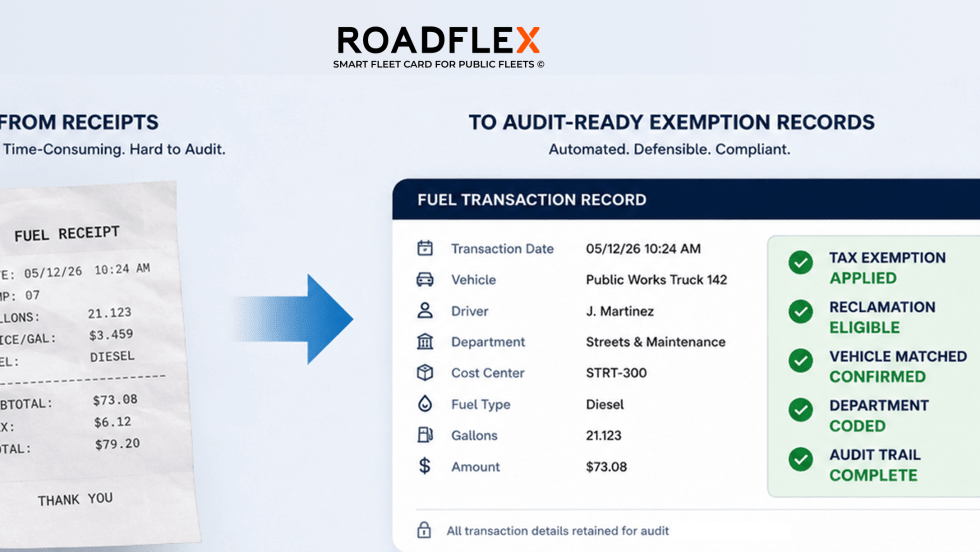
RoadFlex Brings Fuel Tax Compliance and Audit-Ready Reporting to Government, Public Works Fleets
New capabilities aim to help public-sector and public works fleets streamline fuel tax exemptions, reclamation, reconciliation, and audit-ready reporting.
Read More →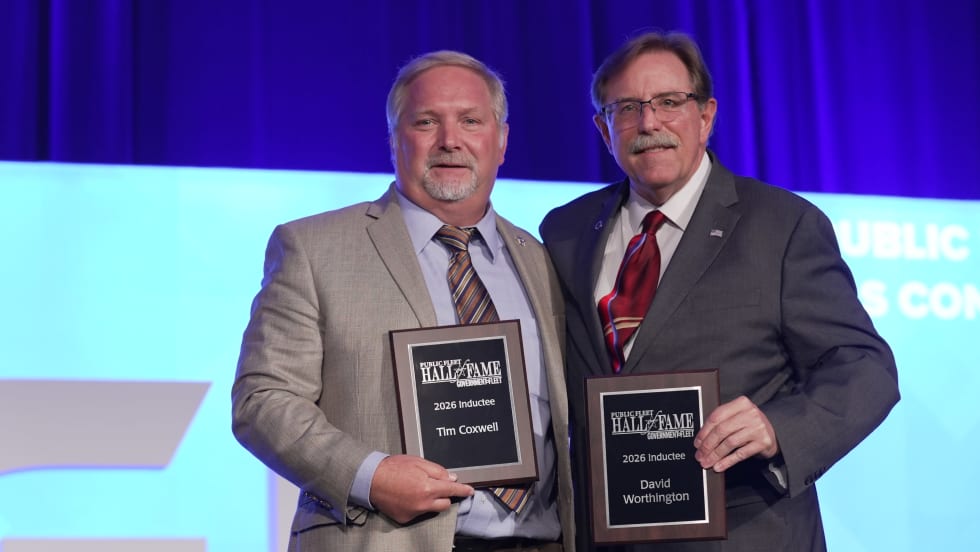
2026 Public Fleet Hall of Fame Inductees Honored
This year's class includes leaders whose work has helped shape the public fleet industry.
Read More →

David Renschler Receives 2026 Legendary Lifetime Achievement Award
Andy Campbell of Sourcewell, which partnered with Government Fleet in presenting the award, recognized Renschler.
Read More →
Ross Jackson Jr. Named 2026 Public Sector Fleet Manager of the Year
His leadership, innovation, and commitment to excellence earned him one of the industry's top honors.
Read More →
Public Fleet Professionals Set to Converge as GFX Gets Underway
Known as the largest gathering of public fleet professionals in the nation, GFX will feature in-depth training sessions, emerging fleet technologies, and access to leading suppliers and service providers.
Read More →
The Technician Pipeline: Finding, Keeping, and Promoting Techs Within the Operation
A look at where to find good talent, what fleets are doing to incentivize those techs to stay within the fleet, and what promotion looks like for a technician within the public sector.
Read More →
5 Public Fleet Stories Worth Revisiting Before GFX | The May Dispatch
Public fleet leaders are being asked to prepare for more, communicate better, and make decisions that hold up under pressure.
Read More →
Drive More Profit with Greater Fleet Uptime
Fleet downtime costs money. JASPER helps keep vehicles on the road with quality remanufactured components, fast nationwide delivery, and reliable solutions that boost uptime and profitability.
Read More →
Are You Tracking Your Fleet's True Total Cost of Ownership?
Bobit Business Media surveyed 190 fleet professionals and found that while most fleets are tracking costs, fragmented systems and data gaps are keeping true TCO visibility out of reach. With rising pressure to control spend in an increasingly volatile environment, the gap between what fleets think they know and what the data actually shows is wider than you might expect. See how your peers are managing costs today and where the industry still has room to improve.
Read More →